Secrets of Child Development through Content and Playtime
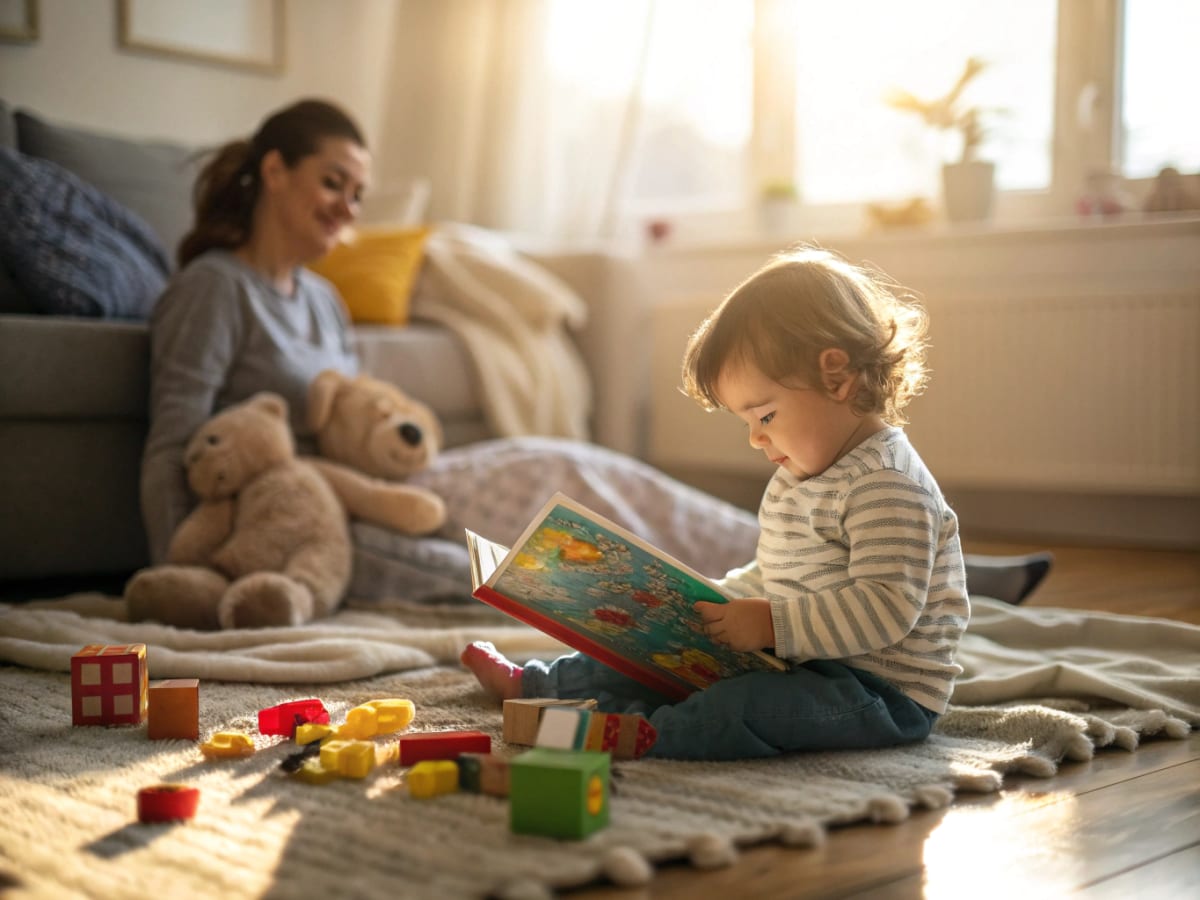
Watching Media with Your Child, Wise Choices for Parents
In times spent with children, media has become an inseparable entity. "Is my child watching too much TV?", "I worry because they won't eat without YouTube..." Many parents visit our MOM-i blog with these concerns. How media impacts child development and how to wisely use media to support your child's growth—let us explain in detail.
Why is Playtime with Children Important?
Playing with children is not just about spending time, but it plays a crucial role in their growth and development. Through play, children develop problem-solving skills, unleash creativity, and build social skills. Especially during infancy, direct experiences engaging the senses are essential for brain development. A child's brain receives new stimuli, forming and strengthening neural networks, mainly achieved through active play. On the other hand, media often provides passive stimuli, which can deprive children of opportunities to think, act, and learn proactively. For instance, passive TV watching might not significantly enhance children's language development or interaction skills. MOM-i aims to present wise approaches to media watching, ensuring children can grow healthily through active learning. Amidst the convenience of the media environment, it's vital for parents to deliberate on what truly benefits our children.

How Can Play Develop Your Child's Social Skills?
Through play, children naturally learn to interact with others and develop verbal communication skills. During play, they understand differences, cooperate, and learn to resolve conflicts — vital learning processes not provided by media. For instance, when a child builds a block tower or paints with a friend, they naturally adopt social skills in the process of coordinating opinions and assigning roles. They learn to make eye contact, read facial expressions, and distinguish voice tones, mastering non-verbal communication. Excessive media exposure can reduce these opportunities for real interactions, impacting empathy and the ability to build relationships with others. Particularly during infancy, interaction with parents becomes the main learning method. When parents or children are absorbed in media, essential interaction opportunities decrease, potentially causing delays in language development or difficulties in forming emotional bonds. Media offers one-way stimulation, but play supports holistic development through bidirectional communication.
What Are Easy Play Ideas You Can Do at Home?
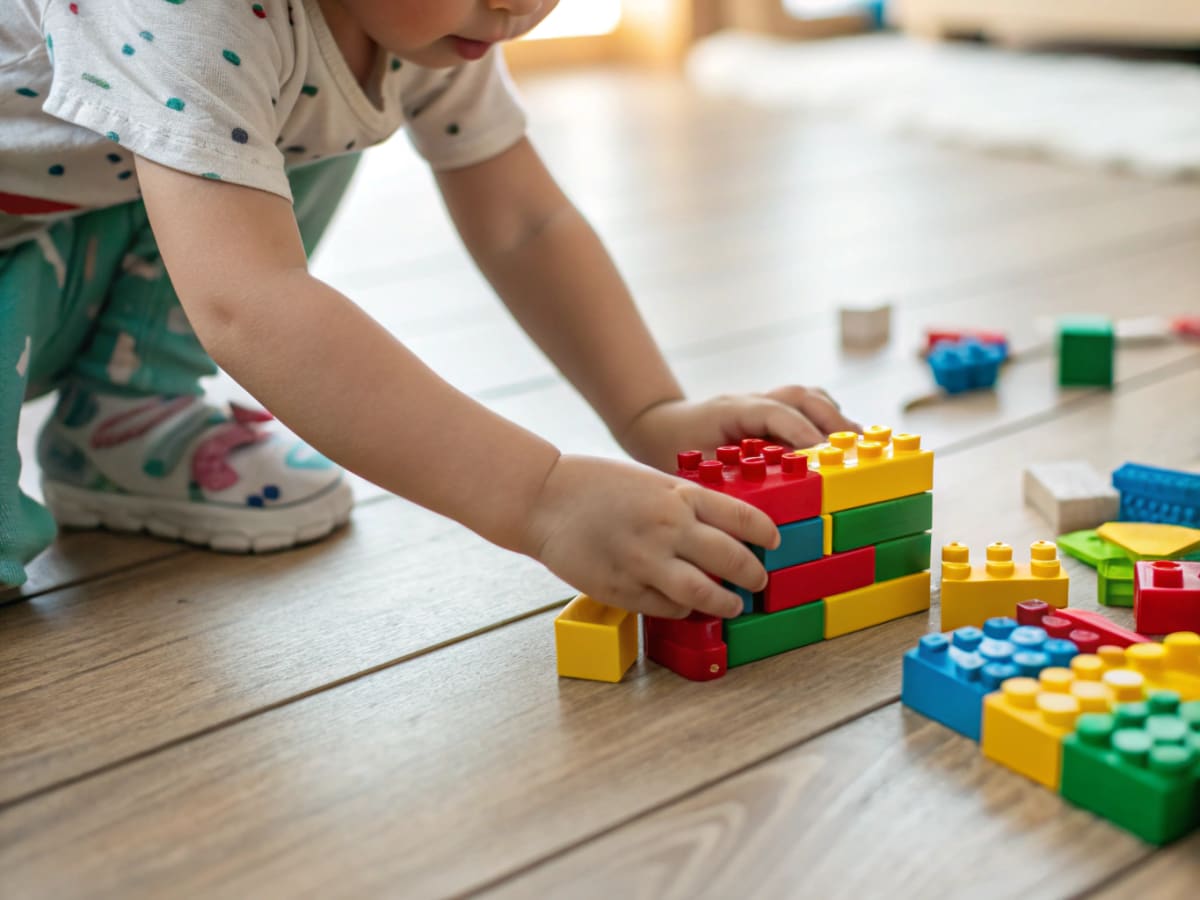
Many fun activities require just a few tools. For instance, drawing with paper and crayons enhances artistic sense and expression abilities. Creating with blocks or Lego is a great way to stimulate creativity. Such play increases concentration and naturally develops problem-solving skills. By reducing screen time and engaging in these activities together, you can observe how your child's reactions to media change. Depending on their interests and age, children's media preferences and attention levels may vary. Some children strongly react to moving images, while others are sensitive to sound.
"Children's reactions to media differ, and even the same child may react differently at different times."
Try various play activities considering your child's temperament and developmental stage. Reading together, simple role playing, or playing hide and seek can bring joy and learning. The key is for parents to actively participate and communicate with the child during play.
Experts' Secret to Recommended Playtime
Psychologists say regular playtime with children provides them with a sense of security. If playtime is at the same time daily, children begin to expect it, making them more focused. Consistency in playtime can positively affect emotional development. Regarding media use, experts provide clear guidelines for different ages. The American Academy of Pediatrics (AAP) advises against media use outside of video calls for infants under 18 months. For children aged 18-24 months, media is allowed if parents participate and watch educational content with them. For children aged 2-5, media use should be limited to one hour per day with parents watching and discussing content with them. These guidelines consider media's impact on brain development, concentration, language, and social skills. Beyond merely limiting time, the quality of media content and parents' proactive involvement significantly influence the child. When children watch media, parents should watch together, converse, and connect on-screen content with real-world experiences.
Benefits of Play: What Will Your Child Learn?
Children learn many things through play. By setting and following rules, they learn discipline. They also recognize object properties and how things work using various tools. Accumulated experience enhances logical thinking. For example, while playing with blocks, children indirectly understand gravity principles, develop spatial awareness by balancing shapes, enhance tactile senses with clay, and grasp quantity and flow concepts with water play. Such active play offers in-depth learning experiences that can't be achieved through passive media watching. Many parents have observed positive changes after reducing media time and increasing direct interactions with their children.
"After reducing TV time and doing puzzles and drawing with my child, they started making eye contact more often and talking with me. I feel like my child has become much brighter than before!"
While media can be useful when appropriately utilized, the most crucial factor in a child's development is ultimately warm parental attention and direct interaction.
The time spent watching media with your child significantly influences their overall development. It's crucial to adhere to recommended media viewing times, select content carefully, and above all, ensure active playtime together. While a child's media usage style may change as they grow, the value of experiences shared with parents remains precious. With the parenting tips provided by MOM-i, we hope you create a joyful and healthy media lifestyle with your child.
Media is an inseparable part of our children's growth process. Despite this, what's most needed for children remains warm parental attention and active interaction. The learning and bonding time provided by play and conversation offers much deeper learning opportunities than mere watching.
If you need parenting tips considering your child's development, you may contact us anytime.
Make MOM-i BabyCam the first choice for your precious baby! Feel at ease anyplace, anytime with 24-hour real-time monitoring. The crib camera equipped with sensors is the most reliable watchful eye for your child's day.
Email inquiries: momi@emtake.com


댓글
댓글 쓰기